
Top 10 Benefits of ECG in Small Animal Practice

Electrocardiography (ECG or EKG) is a vital diagnostic tool in veterinary medicine, especially for small animals like dogs and cats. It provides a clear window into the heart’s electrical activity, helping veterinarians detect and manage various cardiac conditions. Using ECG in everyday practice improves patient care, supports accurate diagnoses, and guides treatment decisions. This post explores the top 10 reasons why ECG is essential in small animal veterinary practice.

1. Detecting Arrhythmias Early
Arrhythmias are irregular heartbeats that can signal underlying heart disease or systemic illness. ECG is the gold standard for identifying arrhythmias in dogs and cats. Early detection allows vets to intervene before the condition worsens, improving outcomes. For example, atrial fibrillation in large breed dogs can be spotted quickly with ECG, enabling timely medication adjustments and control the progression of the disease.
2. Pre-anaesthetic Cardiac Screening
Before anaesthesia, it’s crucial to assess a patient’s heart health to reduce risks during surgery, especially in geriatric dogs and cats. ECG provides a quick, non-invasive way to screen for hidden cardiac abnormalities that might complicate anaesthesia. This is especially important in older pets or those with known heart murmurs. Detecting issues like arrhythmias or conduction blocks helps vets tailor anaesthetic protocols safely.
3. Investigating Syncope or Collapse
When a dog or cat experiences fainting or collapse, ECG helps identify if a cardiac cause is responsible. Conditions such as ventricular tachycardia or heart block can cause sudden loss of consciousness. Recording an ECG during or shortly after an episode can reveal these dangerous rhythms, guiding urgent treatment decisions.
4. Complimenting Investigations of Heart Murmurs
Heart murmurs are common findings during physical exams but don’t always indicate serious disease. ECG assists vets in determining whether a murmur is associated with arrhythmias or conduction disturbances. This information helps prioritise further diagnostics like echocardiography or blood tests.

5. Monitoring Cardiac Medications
Many cardiac drugs affect heart rhythm and conduction. Regular ECG monitoring ensures medications like antiarrhythmics or beta-blockers are effective and not causing harmful side effects. For example, digoxin toxicity can be detected early by changes in ECG patterns, allowing dose adjustments before clinical signs appear.
6. Emergency Triage and Stabilisation
In emergency situations, ECG provides rapid assessment of cardiac status. For a collapsed or critically ill pet, knowing the heart rhythm guides immediate interventions such as antiarrhythmic therapy or pacing. This quick information can be lifesaving in cases of severe arrhythmias or cardiac arrest.
7. Baseline Cardiac Assessment in Senior Pets
Older dogs and cats often develop heart disease without obvious symptoms. Performing a baseline ECG during routine wellness exams helps detect early electrical abnormalities. This proactive approach allows vets to monitor progression and start treatment sooner, improving quality of life.
8. Assessing Effects of Systemic Diseases
Certain systemic illnesses like electrolyte imbalances, hypothyroidism, or toxins can affect the heart’s electrical activity. ECG helps identify these secondary cardiac effects in dogs and cats. For example, hyperkalaemia causes characteristic ECG changes that prompt urgent correction.
9. Guiding Cardiac Surgery and Procedures
For pets undergoing cardiac surgery or catheter-based interventions, ECG monitoring is essential. It helps track heart rhythm throughout the procedure, alerting the veterinary team to any arrhythmias or conduction issues that require immediate attention.

10. Supporting Client Communication and Education
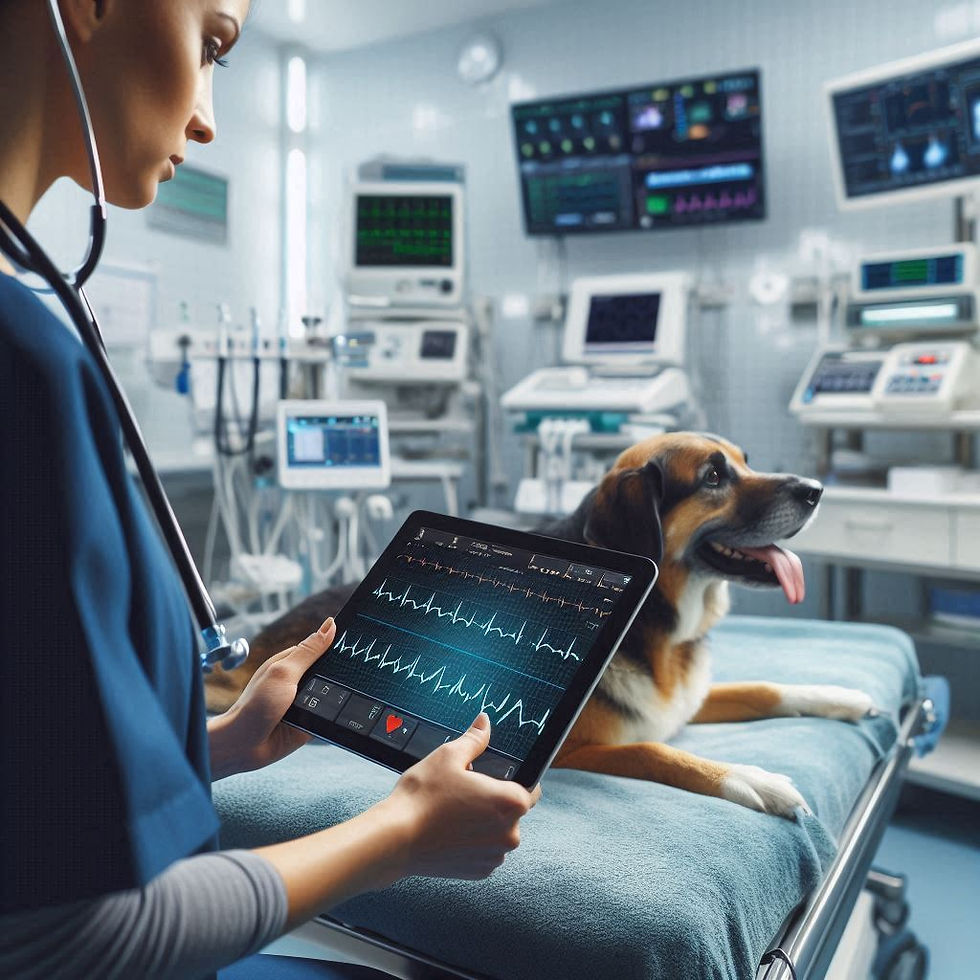
ECG tracings provide visual evidence that helps veterinarians explain cardiac conditions to pet owners. Showing clients the heart’s electrical activity can improve understanding and compliance with treatment plans. It also supports discussions about prognosis and monitoring needs.
Using ECG in small animal practice offers clear benefits for diagnosing, monitoring, and managing cardiac health in dogs and cats. It equips veterinarians with precise information to make informed decisions, improving patient safety and outcomes. Incorporating routine ECG assessments, especially in high-risk patients, strengthens cardiac care and supports early intervention.
Veterinarians looking to enhance their cardiac diagnostic toolkit should consider regular use of electrocardiography. It is a practical, non-invasive, and cost-effective method that delivers valuable insights into heart function. By prioritizing ECG, vets can provide better care for their patients and peace of mind for their clients.

Comments